Trenchless Technology 101: The Future of Utility Construction
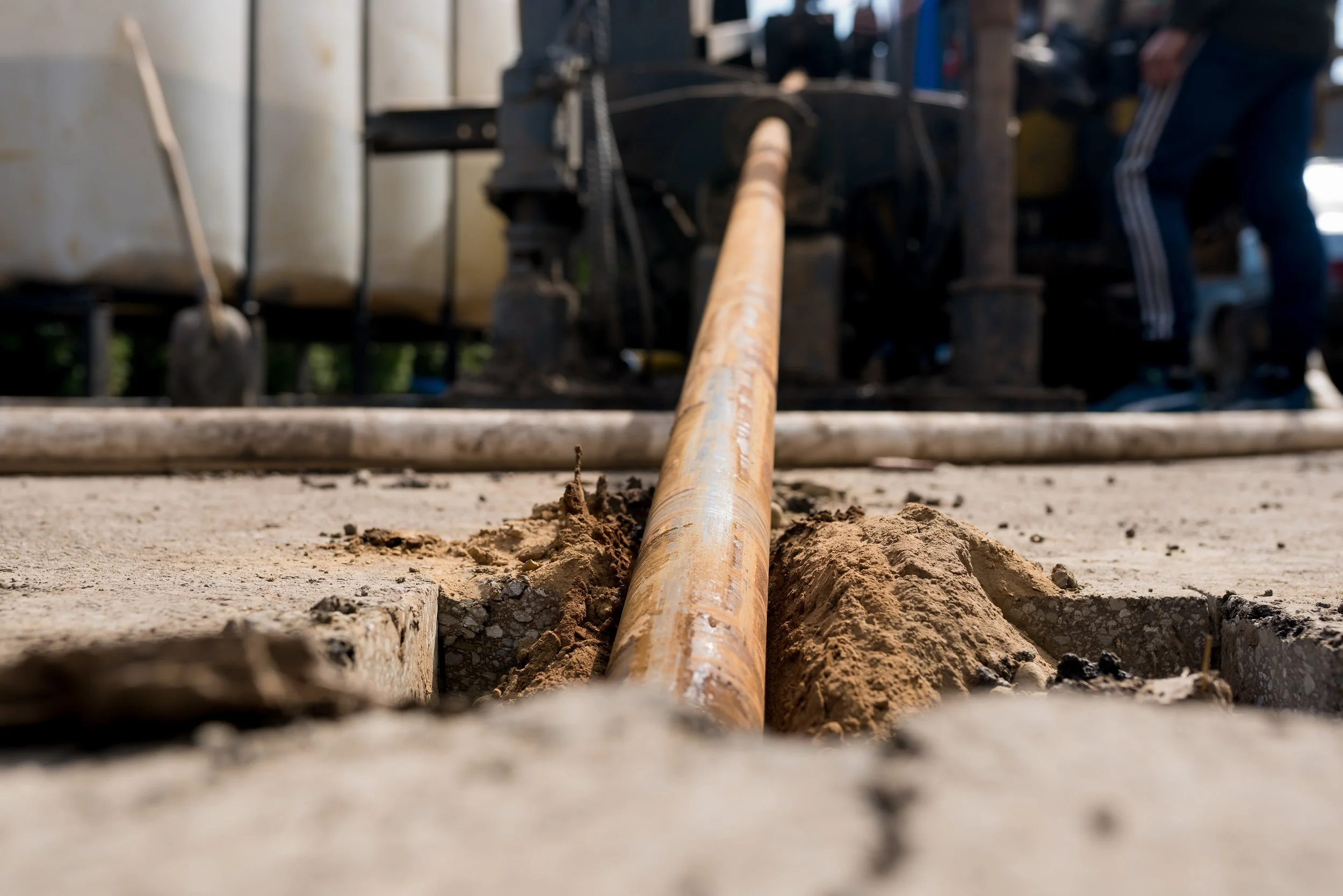
As infrastructure networks expand, the need for smarter, less disruptive construction methods has never been greater. Traditional open-cut trenching isn’t always practical, especially when utilities need to cross beneath roads, railways, waterways, or well-established neighborhoods.
That’s where trenchless technology comes in. These modern boring and drilling methods allow crews to install, repair, or replace underground utilities with minimal surface disruption, protecting both the environment and the communities we serve.
At Modus, trenchless construction is more than a specialty, it’s a cornerstone of how we deliver efficient, safe, and cost-effective results for our partners.
What Is Trenchless Technology?
Trenchless technology refers to a group of underground construction techniques that eliminate or greatly reduce the need for open excavation. Instead of digging long trenches, trenchless methods rely on guided boring, directional drilling, and other precision tools to install or repair utilities below the surface.
These methods are used for a wide range of applications, including:
Fiber and communications conduit installation
Water and sewer line replacement
Power and gas line installation
Crossings beneath roadways, railways, or waterways
In short, trenchless technology enables utility construction in places where digging from the surface would be too disruptive, costly, or environmentally risky.
The Benefits of Trenchless Construction
Trenchless methods aren’t just cleaner, they’re smarter. Here’s why they’re rapidly becoming the standard for modern infrastructure projects:
Reduced disruption: Roads, sidewalks, and landscaping remain largely intact, minimizing traffic closures and community impact.
Environmental protection: Less excavation means less soil displacement, fewer emissions, and reduced impact to waterways and ecosystems.
Improved safety: Crews spend less time in open trenches, reducing exposure to hazards.
Cost efficiency: While equipment and expertise are specialized, reduced restoration and downtime often lower total project costs.
Scalability: From short residential crossings to long fiber runs, trenchless methods can be tailored to fit projects of any size.
How Modus Puts Trenchless Methods to Work
At Modus, we know that no two underground utility projects are the same. That’s why our crews are trained across multiple trenchless disciplines, including directional drilling, guided boring, vacuum excavation, and traditional trenching, allowing us to select the best tool for each unique challenge.
We regularly use trenchless construction to:
Install fiber conduit in urban and suburban corridors with minimal disruption
Bore beneath highways and waterways to keep infrastructure moving
Perform safe, non-destructive locating before new installations
Support municipal and private utility projects that demand efficiency and precision
By integrating trenchless methods into our broader construction approach, we help clients complete projects faster, safer, and more sustainably.
The Future of Utility Construction Is Trenchless
Trenchless technology continues to evolve, from improved drill guidance systems to smarter bore planning and fluid management tools. As the industry moves toward faster, cleaner, and more connected infrastructure, these methods will only become more essential. At Modus, we’re proud to be part of that shift, using trenchless boring and drilling to keep projects on schedule and communities connected.
Contact our team to learn more about how trenchless construction can support your next project.