Horizontal Directional Drilling in Cold Weather Conditions
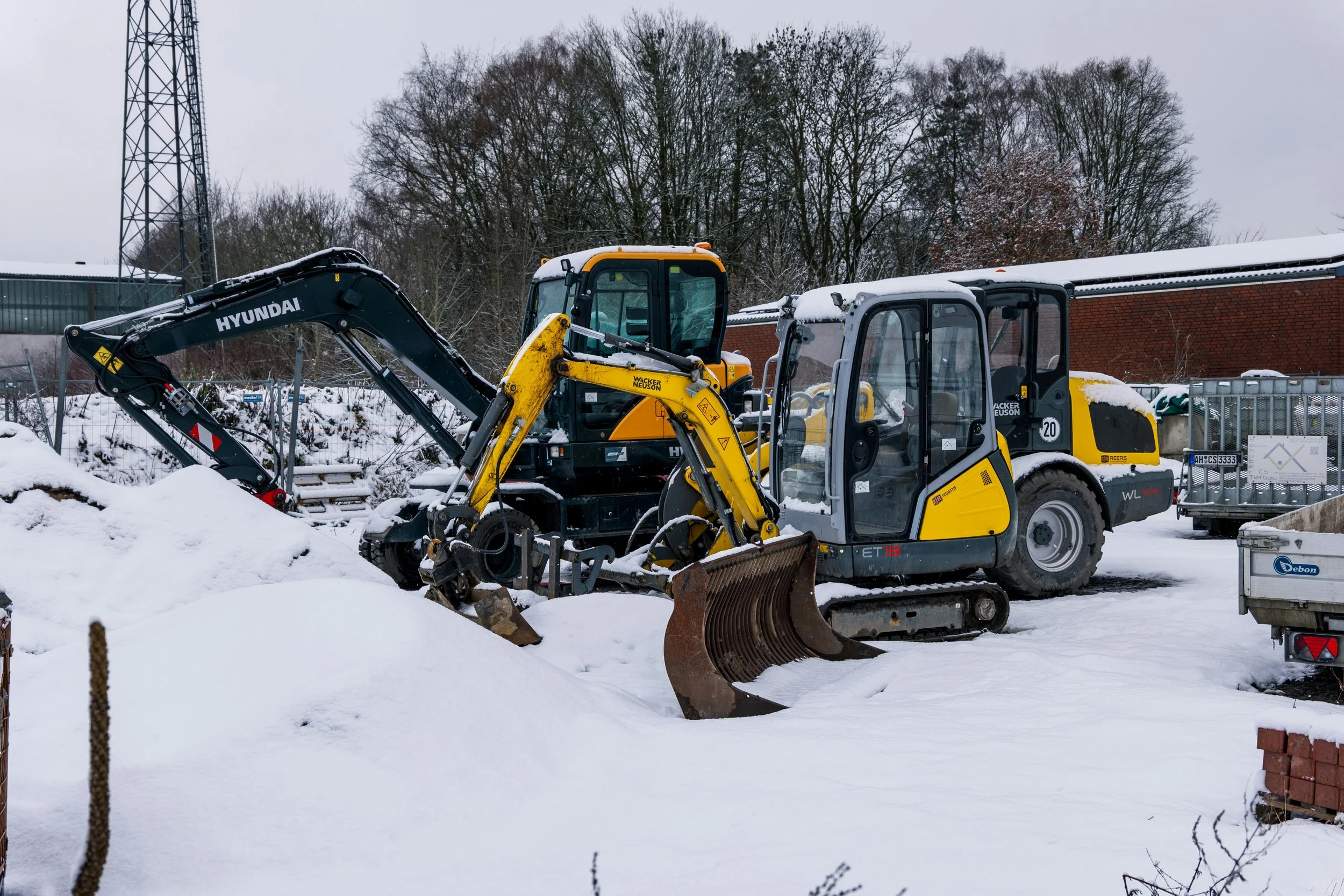
Horizontal directional drilling (HDD) doesn’t stop when temperatures drop, but winter conditions fundamentally change how HDD projects must be planned and executed. Frozen ground, drilling fluids, equipment performance, and crew safety all behave differently in cold weather, and ignoring those differences can quickly lead to delays or safety issues.
For Modus, winter HDD isn’t about pushing through unfavorable conditions. It’s about adjusting the plan, the tools, and the execution to match what the environment demands.
Winter Presents a New Set of Variables for HDD
Cold weather introduces constraints that don’t exist during the rest of the year. Soil behaves differently. Daylight windows shrink. Equipment and materials are more sensitive. Crews are working in environments where small inefficiencies can compound quickly.
Before drilling begins, winter projects require crews to account for factors like frost depth, freeze-thaw cycles, ground moisture, and access conditions. These variables influence everything from bore alignment to fluid selection and schedule sequencing. In many cases, winter drilling succeeds or fails before the first rod is loaded, based entirely on how well those conditions are understood.
How Frozen Ground Affects Drilling and Bore Stability
Frozen ground can be deceptive. On the surface, it may appear stable or easier to penetrate, but conditions often change dramatically once drilling reaches below the frost line. Layers of frozen and unfrozen soil can behave inconsistently, increasing the risk of deviation or bore instability if crews aren’t prepared.
Key impacts of frozen ground include:
Increased resistance at entry points
Variable torque and steering response
Changes in cuttings removal efficiency
Higher risk of instability during thaw periods
Understanding these conditions early helps crews determine whether bore paths need adjustment, tooling changes, or modified drilling techniques to maintain control and accuracy.
Drilling Fluids in Cold Weather: A Closer Look
Drilling fluids are one of the most critical — and most impacted — elements of winter HDD operations. Cold temperatures affect hydration rates, viscosity, and the fluid’s ability to stabilize the bore and transport cuttings.
Rather than treating fluids as a background task, winter drilling requires active fluid management throughout the day. Common winter fluid adjustments include:
Allowing additional hydration time before use
Monitoring viscosity more frequently as temperatures fluctuate
Adjusting additives to maintain lubrication and stability
Protecting mixing systems from freezing
Poor fluid performance in winter doesn’t just slow production, it increases the likelihood of bore instability, fluid loss, or tool wear. When fluids are managed correctly, they become a stabilizing force rather than a liability.
Equipment Performance Requires a Winter Mindset
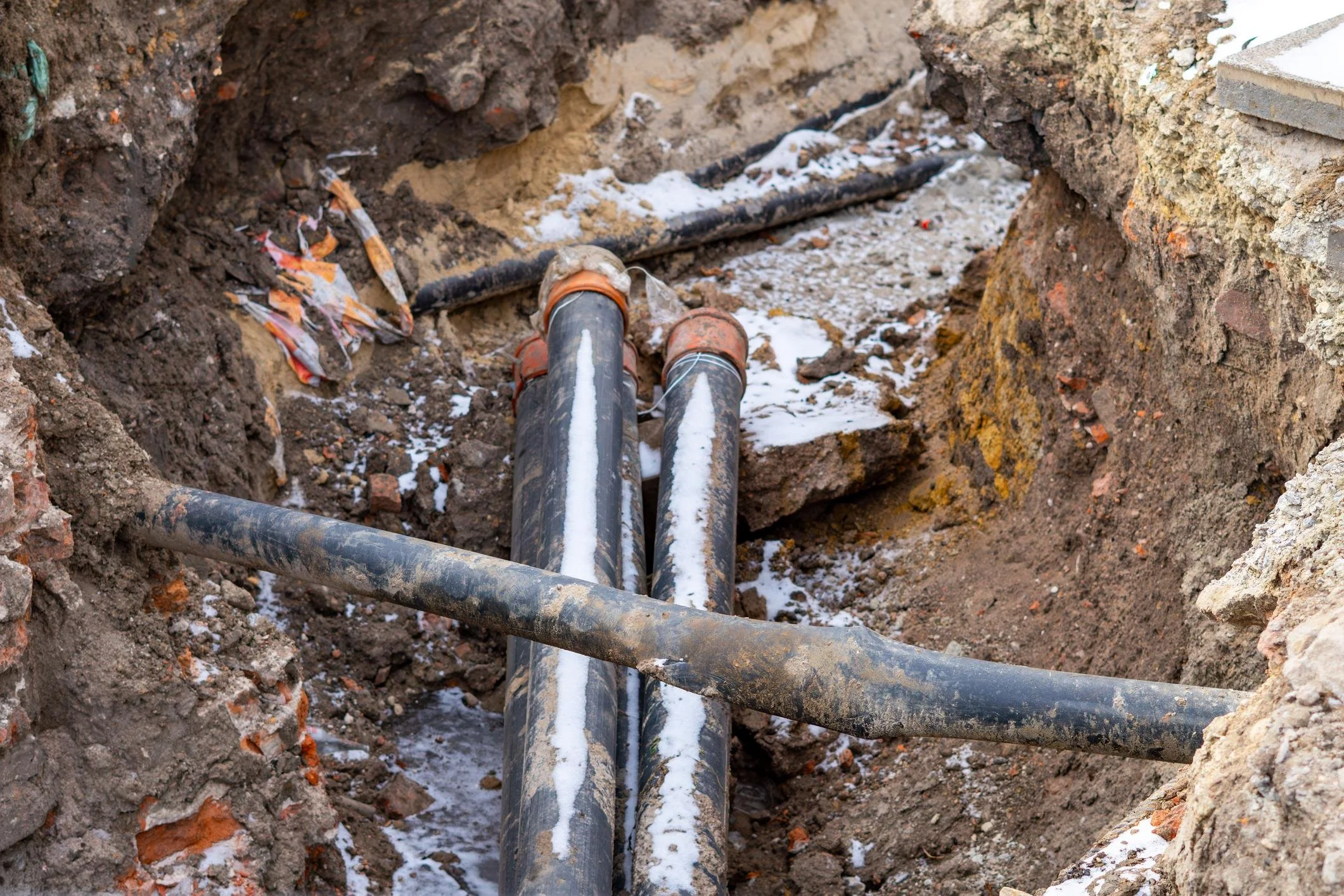
Cold weather places added stress on HDD equipment, particularly hydraulic systems, electronics, and moving components. Winter drilling demands a proactive approach to maintenance and operation. Rather than reacting to failures, experienced crews plan for cold weather by:
Following cold-start and warm-up procedures
Inspecting hoses, fittings, and connections more frequently
Monitoring hydraulic performance throughout the shift
Protecting sensitive components from prolonged exposure
Well-prepared equipment keeps projects moving during limited winter work windows and reduces the risk of downtime when weather conditions are already working against the schedule.
Keeping Crews Safe and Productive in Winter Conditions
Winter drilling environments introduce risks that extend beyond the bore itself. Slippery surfaces, reduced visibility, cold exposure, and fatigue all affect how crews perform in the field.
Maintaining productivity in cold weather isn’t about working faster, it’s about working smarter. Clear communication, realistic pacing, and proper jobsite setup all play a role in keeping crews effective without compromising safety.
When crews feel supported and conditions are managed correctly, winter HDD can remain both productive and predictable.
Why Experience Matters More in Winter HDD
Horizontal directional drilling doesn’t have an off-season — but winter conditions demand a smarter approach. With the right planning, fluid management, equipment care, and experienced crews, HDD projects can continue safely and efficiently even in cold weather. Our experience team knows how to plan for:
Reduced daily production rates
Flexibility for weather-related disruptions
Strategic sequencing of trenchless and open-cut work
Contingency planning for extreme conditions
At Modus, winter HDD isn’t treated as an exception. It’s an environment our crews are trained to operate in, using preparation and experience to deliver consistent results year-round.
If you’re planning a winter HDD project or need a partner who understands how to work through seasonal challenges, Modus is ready to help. Talk with our team about running HDD projects year-round.