How Spring Conditions Impact Underground Utility Construction
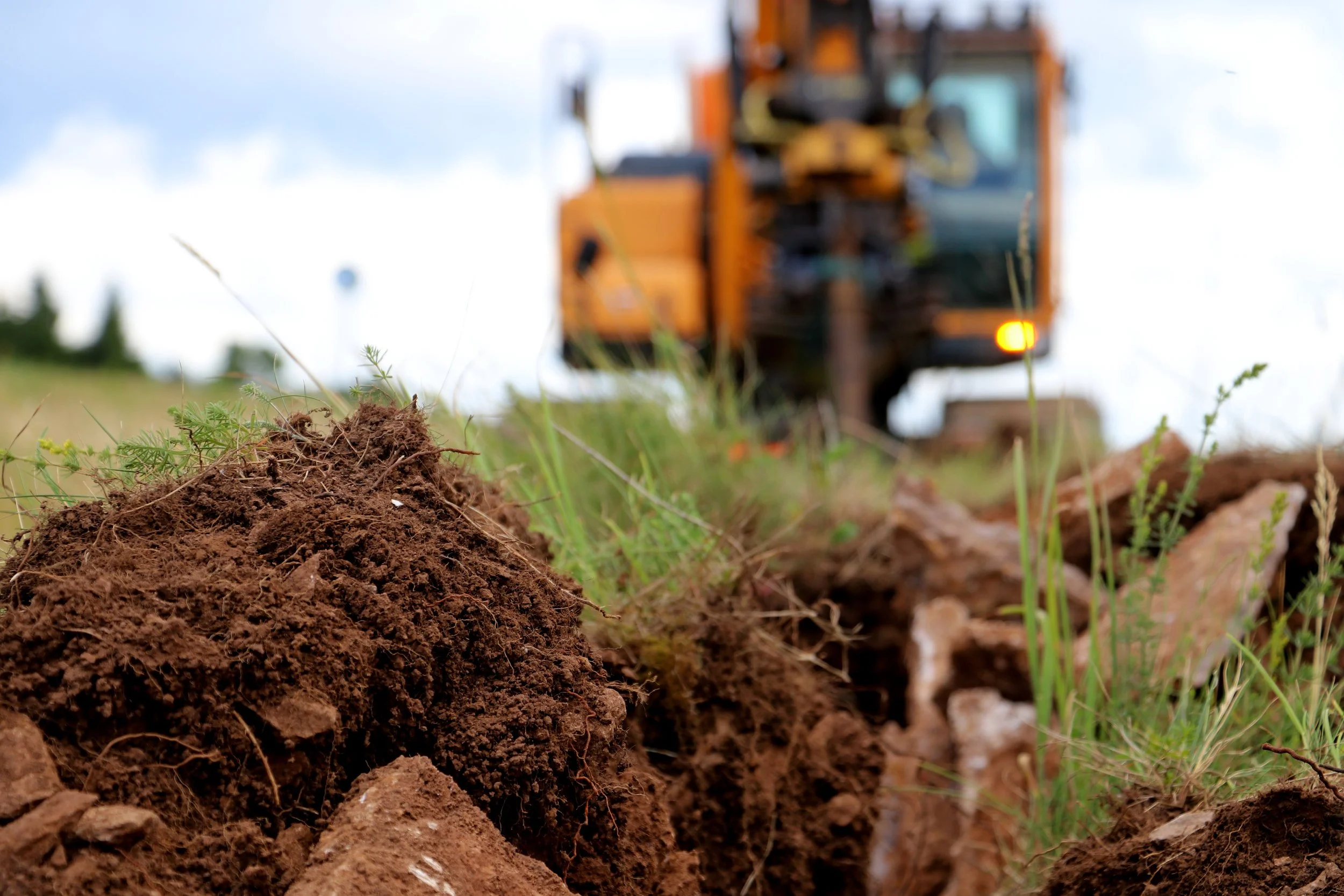
Spring looks like a green light. More daylight, warming temperatures, the end of frozen ground. For underground utility crews, though, spring isn't a clear runway, it's a different set of variables that demand the same level of preparation winter does. At Modus, we work through every season.
And while spring brings welcome relief from the extremes of winter HDD, it introduces its own challenges that can affect project timelines, bore stability, and crew safety if they're not anticipated. Here's what our crews account for when spring conditions arrive on a jobsite.
The Ground Isn't What It Looks Like
One of the most deceptive aspects of spring is the ground itself. On the surface, things look workable. But below grade, you're often dealing with the tail end of freeze-thaw cycles that have fundamentally changed the soil's behavior.
As frozen ground thaws from the top down, the layers beneath can still be ice-bound while the surface appears soft and accessible. This creates what's known as a perched water table — saturated soil above a still-frozen layer with nowhere to drain. For HDD crews, this means entry and exit points may be unstable or prone to collapse, bore paths through transitional soil zones can behave unpredictably, equipment tracking and ground support becomes more difficult, and spoil removal and fluid returns are harder to manage.
Experienced crews don't assume that a thawed surface means a stable bore. They probe the profile and adjust accordingly.
Soil Saturation & Bore Stability
Spring rain compounds what the thaw starts. Saturated soils, particularly clay-heavy formations common throughout Indiana, lose much of their structural strength when waterlogged. This directly affects bore wall stability during HDD operations, and misreading these conditions is one of the most common causes of bore failures and surface frac-outs.
In high-saturation conditions, drilling fluid management becomes the critical lever. Our crews actively monitor four things throughout every spring bore:
Fluid viscosity and density relative to formation conditions
Return rates and any signs of fluid loss into the surrounding soil
Annular pressure to prevent hydro-fracture in weakened formations
Cuttings quality as an indicator of what the bore is encountering
The answer to saturated soil isn't to slow everything down, it's to actively manage the fluid program and stay ahead of what the formation is doing.
Site Access & Equipment Staging
Soft, wet ground is hard on heavy equipment. Repeated passes from drill rigs, mud motors, and support vehicles can compromise staging areas, create unexpected ruts, and introduce safety hazards before the bore even starts. Spring site prep often demands more upfront investment than other seasons, but skipping it costs more later.
For example, in Indiana, county roads are subject to seasonal weight restrictions each spring, with specific dates and limits varying by county and weather conditions each year. Any project that involves moving heavy equipment across rural roads needs to account for these restrictions when building the project schedule, checking with the relevant county highway department before mobilizing is always the right move.
For trenchless and open-cut projects alike, this means building in time for geotextile fabric or rock base at staging and entry/exit zones, modified equipment positioning on soft ground, access route planning around posted roads, and more frequent site walks as conditions shift through the day.
Open-Cut & Trenching Considerations
For trenching and plowing projects, spring brings its own set of tradeoffs. On one hand, thawed ground is generally easier to cut through than frozen ground. On the other hand, open trenches in saturated conditions require more active management to stay safe and productive.
Water infiltration into open cuts can destabilize trench walls, increase shoring requirements, and complicate backfill and compaction once the product is installed. Our crews approach spring trenching work with:
More frequent trench wall monitoring, especially in clay or mixed soils
Adjusted backfill sequencing to account for moisture content
Dewatering plans where standing water is present or likely
Flexibility to pivot between open-cut and trenchless methods when site conditions warrant
The decision between HDD and trenching isn't made once at the start of a project and locked in. In spring conditions, that decision sometimes gets revisited when conditions change mid-project.
Planning a Spring Project? Let's Talk.
None of this is meant to paint spring as a problematic season. In fact, spring is when a significant amount of utility construction ramps up after winter slowdowns. Longer daylight hours, more predictable weather windows, and accessible ground make spring one of the most productive seasons for our crews.
The point is that productive spring work doesn't happen by default. It happens because experienced teams know what the season brings and plan for it in advance. That means reading site conditions accurately, not assuming the calendar tells you what the ground will do, and having the flexibility to adjust when conditions evolve.
At Modus, we've built our approach to underground utility construction around that kind of adaptability — whether we're adjusting fluid programs mid-bore, rerouting equipment access around soft ground, or modifying a bore path based on what we're seeing from the formation. If you have underground utility work coming up this spring, whether it's fiber installation, a conduit crossing, or a larger infrastructure buildout, the time to talk is before the first piece of equipment is mobilized.